Blog ·
Menu Engineering: Let Data Tell You What Your Customers Really Want
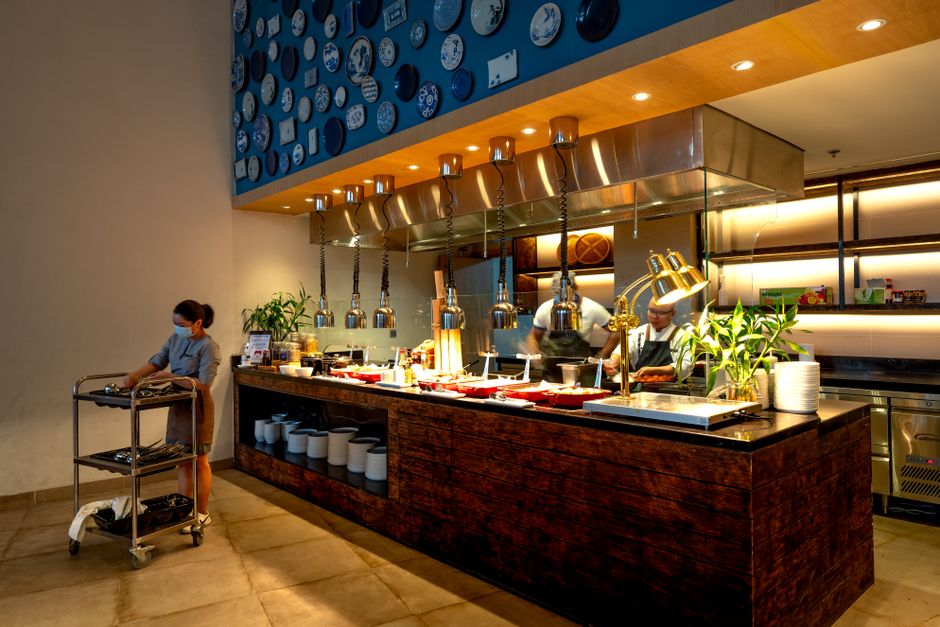
Your menu is your largest revenue generator, yet most restaurants make menu decisions based on chef preference, tradition, or assumptions about customer taste. Data-driven menu engineering takes the guesswork out of this critical decision and reveals significant revenue opportunities.
Understanding Profitability and Popularity
Menu engineering analyzes three dimensions of each dish: profitability, popularity, and cost. A dish might be popular but unprofitable because expensive ingredients dilute margins. Another might be highly profitable but underordered. Track every dish ordered across multiple service periods, then rank items by volume and frequency.
Many restaurants discover their best sellers lack visibility on the menu, while heavily promoted items generate disappointing orders. Similarly, calculate the true cost of each dish including ingredients, labor, packaging, and overhead allocation. This reveals surprising truths. The signature dish that builds your reputation might operate at 35% food cost, while simpler preparations hit 28%. Understanding these relationships lets you make informed decisions rather than emotional ones.
Identifying Customer Patterns
Customer preferences show clear patterns when analyzed properly. Analyze orders by time of day, day of week, season, and weather. A seafood-heavy restaurant discovers that lighter preparations outsell heavier sauces during warm months, while warm, rich dishes dominate winter menus. This insight guides seasonal menu rotations and promotional strategy.
Pairing data tells you which dishes customers buy together, revealing opportunities for bundled offerings or menu structure optimization. If customers frequently order specific appetizers before particular entrees, promoting this combination increases ticket value without pressure or manipulation.
Pricing and Elasticity
Pricing data generates insights about elasticity. A modest price increase on a popular, high-margin dish might reduce orders by 5% while increasing revenue 12%. Conversely, a price reduction on an underperforming specialty might boost visibility without meaningful margin impact.
A Mediterranean restaurant analyzed sales data and discovered their highest-margin dishes received lowest menu positioning. Moving these items to more prominent placements increased sales of these profitable items by 28% while maintaining overall volume.
Making Strategic Changes
Implementation begins simply. Most point-of-sale systems capture the data you need. Extract sales information across several months, categorize each dish by profitability and popularity, and identify outliers. Menu updates based on data need not eliminate existing favorites. Instead, thoughtful reorganization, modest description changes, and strategic pricing adjustments guide customer choices toward items that strengthen your business.
This approach respects both customer preferences and financial sustainability. The dishes people love most can also be the dishes that build your business most effectively.